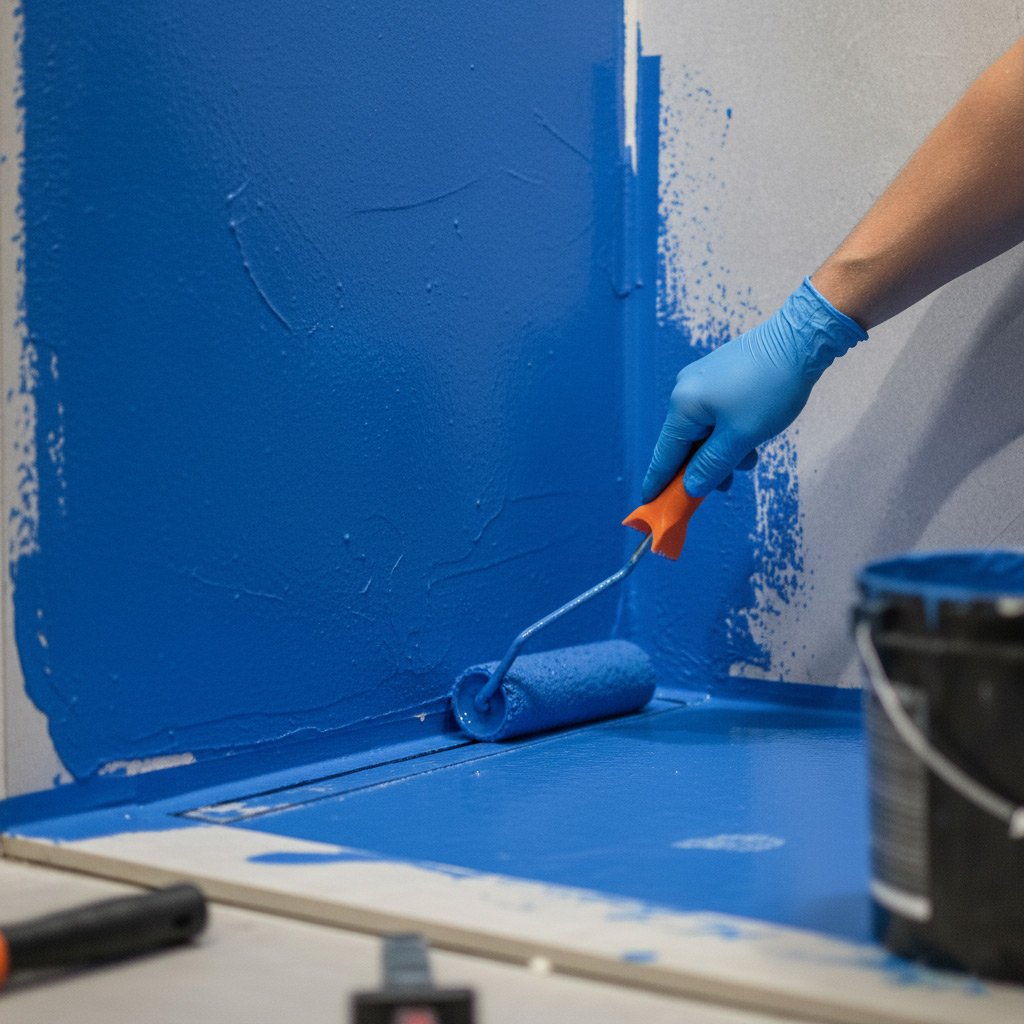
If you’ve ever watched a cheap shower liner balloon up like a busted balloon at the first sign of steam, you know the pain. Most Flagstaff homeowners think a liner is just a plastic sheet, but the right one can be the difference between a spa‑like retreat and a soggy nightmare.
The savvy ones treat the liner like the foundation of a house – it bears the load, keeps the water where it belongs, and protects the walls from costly rot. They pick materials that handle the desert’s temperature swings and the mountain’s humidity without cracking or warping.
A lot of DIYers grab the cheapest 3‑mil liner, slap it in, and pray. The result? Leaks, mold, and a repair bill that could have been avoided with a little know‑how.
Ready to discover the three secrets that keep your shower dry, your floor clean, and your wallet happy? Keep reading and you’ll learn exactly what to look for, how to install it right, and why a premium liner pays for itself in the long run.
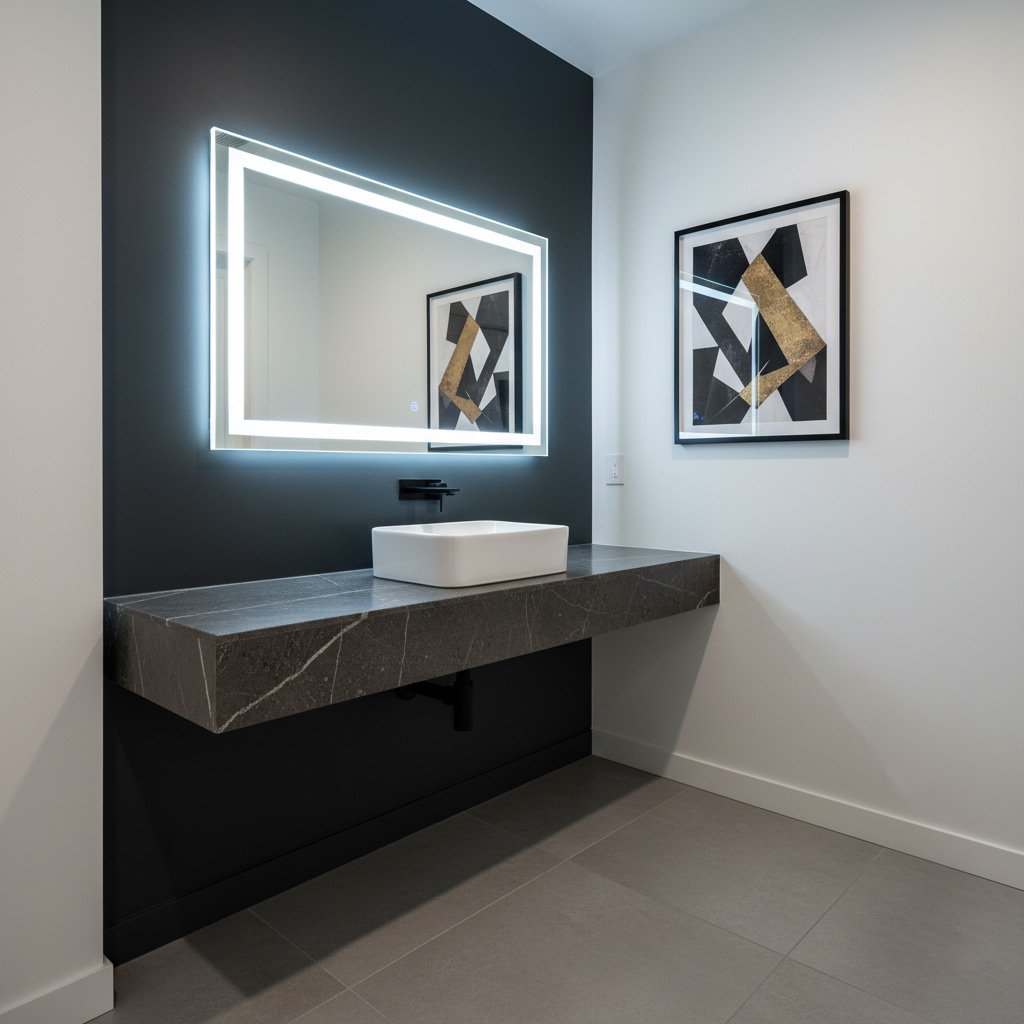
Understanding Shower Liner Materials: PVC, CPE, and Luxury Vinyl
Flagstaff’s climate throws a curveball at every shower liner you install. The right polymer can bend with the heat of a summer sunrise and the chill of a winter night without cracking. Below is the low‑down on the three contenders you’ll hear most contractors name‑drop.
PVC (Polyvinyl Chloride)
PVC is the workhorse of the industry – cheap, widely available, and easy to cut. It holds up well against everyday water exposure, but it can become brittle when the desert sun hits it hard.
- Pros: Affordable, simple to install, resistant to most household chemicals.
- Cons: Prone to warping in extreme temperature swings, can emit a faint odor when heated.
- Best for: Budget‑focused remodels where the liner will be covered by a solid tile wall.
CPE (Chlorinated Polyethylene)
CPE steps up the game with a tougher molecular structure that loves the back‑and‑forth of Flagstaff’s weather. It’s heavier, so it stays flat longer, and it resists the kind of cracking that sends water behind the wall.
- Pros: Superior flexibility, excellent resistance to UV and temperature changes.
- Cons: Higher price tag, a bit tougher to trim without a utility knife.
- Best for: Homeowners who plan to keep the liner exposed or who want a longer‑lasting barrier.
Luxury Vinyl
Luxury vinyl blends the look of high‑end tile with the waterproof confidence of a liner. It’s a single‑piece sheet that can double as a decorative floor, cutting down on material waste.
- Pros: Attractive finish, thick core (often 4‑mil or more), resists mold growth.
- Cons: Installation requires careful sealing to avoid seams, can be pricey.
- Best for: Renovations where style matters as much as function, especially in walk‑in showers.
How Flagstaff’s Temperature Swings and Humidity Impact Liner Performance
Seasonal Stress Test
Flagstaff’s weather is a roller‑coaster – sub‑zero mornings, 90‑degree afternoons, then a sudden snowstorm. That daily stretch makes a thin PVC liner act like a cheap rubber band; it stretches, then snaps back, creating tiny gaps where water can seep.
Key effects to watch:
- Thermal expansion – hot air pushes the liner outward.
- Contraction – cold snaps pull it tight, stressing seams.
- Repeated cycles can cause micro‑tears that grow over time.
Moisture Management in a Mountain Climate
Even though Flagstaff sits at 7,000 feet, the summer monsoon brings humidity spikes that linger in a closed shower. When steam hits a low‑grade liner, it condenses, then seeps into the backing material.
That moisture does two nasty things:
- It weakens the adhesive that holds the liner to the tub.
- It creates a breeding ground for mold, especially on liners that aren’t fully waterproof.
Choosing a liner with a moisture‑resistant core and a thick top layer gives you a buffer against both heat and damp, keeping the shower dry and the walls safe.
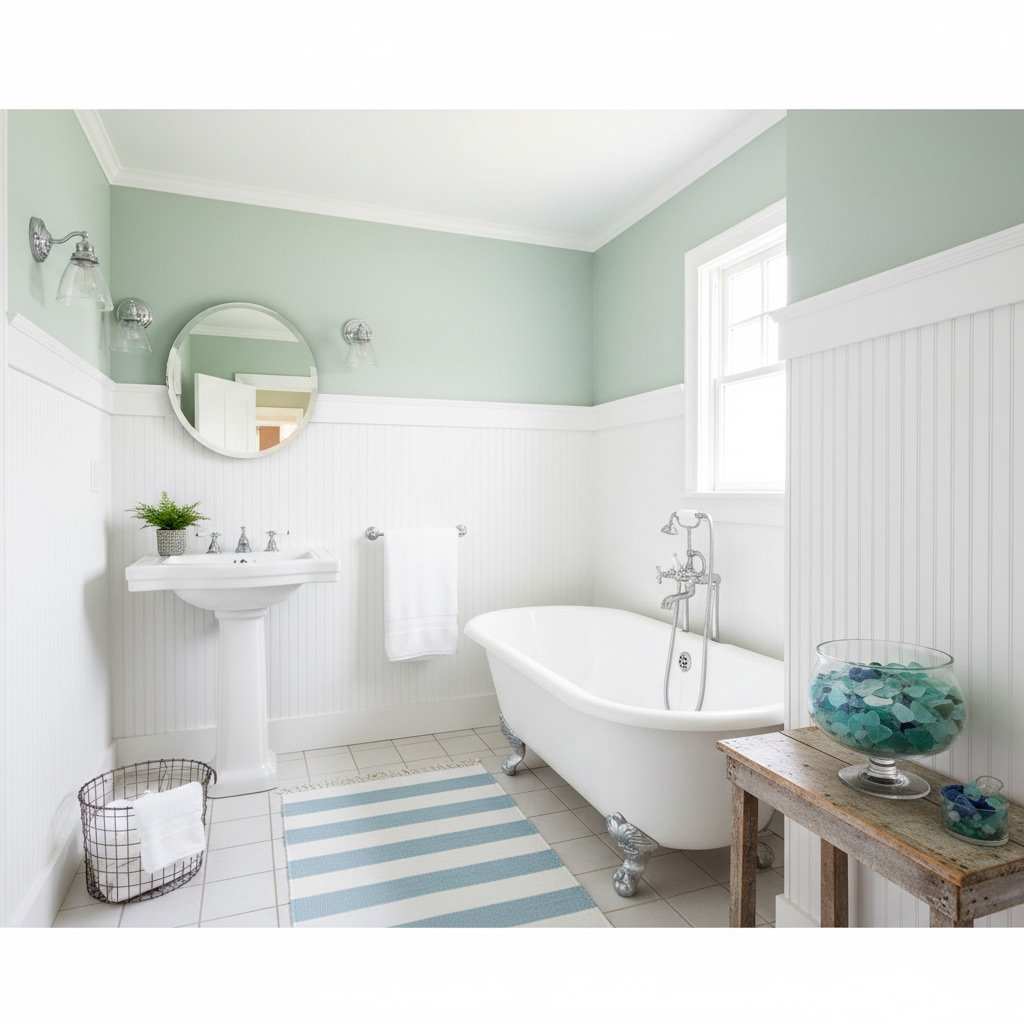
Selecting the Ideal Thickness and Gauge for Durability
Why Thickness Matters
In Flagstaff’s climate, a thin liner is a ticking time‑bomb. 3‑mil sheets can buckle under a single hot shower, while 6‑mil or 8‑mil options stay flat and strong. The extra mils act like a shock absorber for temperature swings and humidity spikes.
Common Gauges and What They Do
- 3‑mil (0.076 mm) – Budget‑friendly, but prone to warping and punctures.
- 5‑mil (0.127 mm) – Good for remodels where the shower isn’t a daily spa.
- 6‑mil (0.152 mm) or 8‑mil (0.203 mm) – Premium choice; resists tears, holds up to steam, and lasts years.
Choosing the Right Gauge for Your Home
Ask yourself: How often do you shower? If you’re a family of five, go heavy. If it’s a guest bathroom, 5‑mil may suffice. Remember, a thicker liner isn’t just a safety net—it’s a money‑saving move that prevents costly water damage later.
Don’t forget the substrate. A smooth, clean base lets even a 6‑mil liner lay flat. Any bumps or old caulk will force the liner to flex, and flexing = cracks. Pair the right gauge with proper prep, and you’ve got a waterproof fortress.
Step‑by‑Step Installation: Avoiding Leaks, Warping, and Mold
Start with a clean, dry surface—any moisture is a ticket to mold town. Remove old caulk, scrape away remnants, and give the floor a once‑over with a shop‑vac.
Prep the Base
- Inspect for cracks. Fill them with a polymer‑filled epoxy and let it cure 24 hours.
- Lay a 5‑mil vapor barrier over the shower pan; it’s the first line of defense against water seepage.
- Mark the curb line with a pencil; you’ll need a tight seal later.
Now comes the liner—cut it with a sharp utility knife, not a saw, to keep the edges clean.
Lay, Seal, and Verify
- Unroll the liner, smooth it toward the drain, and push out bubbles with a rubber squeegee.
- Apply a mold‑resistant silicone along the curb, the drain lip, and every joint; clamp the edges with a wooden shim for 30 minutes to stop warping.
- Run hot water for five minutes, watch for any drip, then wipe dry. If you see a leak, add a second bead of silicone and let it cure 24 hours before using the shower.
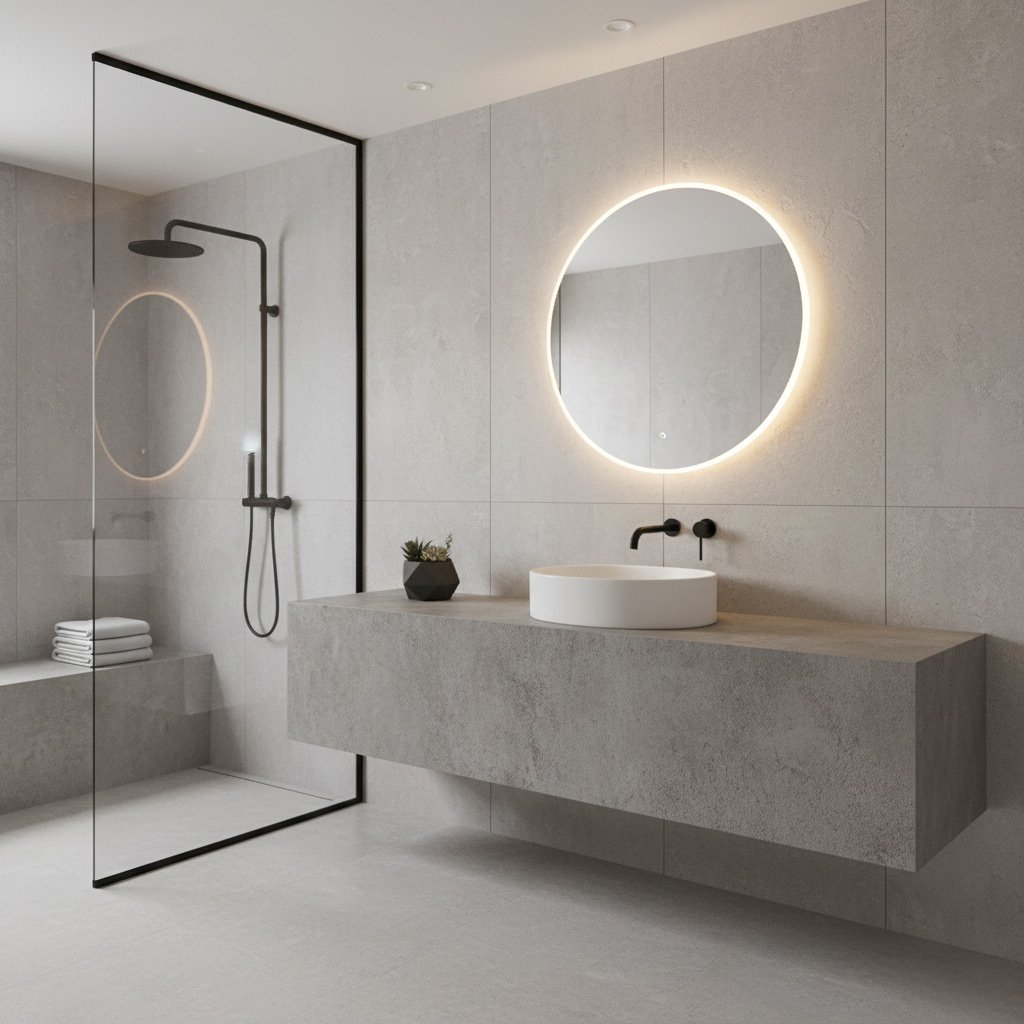
Maintenance Strategies to Prolong Your Liner’s Life
Regular Visual Checks
Give your liner a quick once‑a‑week glance. Spot any wrinkles, tears, or loose seams before they become a disaster.
- Look for water pooling at the corners.
- Check the seal around the shower door or curtain.
- Notice any discoloration that could signal mold.
Gentle Cleaning Routine
Scrub with a soft sponge and a mild, pH‑balanced cleanser. Harsh bleach or abrasive pads will chew through the vinyl faster than a desert sun.
- Rinse thoroughly to avoid soap residue.
- Dry the surface with a microfiber cloth.
- Schedule a deep clean every 3‑4 months using a vinegar‑water mix.
Seal, Vent, and Protect
Keep the edges sealed with a silicone caulk that’s rated for high humidity. Good airflow is the secret weapon against mold.
- Run the exhaust fan for at least 15 minutes after each shower.
- Leave the shower curtain or door ajar to let steam escape.
- Inspect the caulk annually; reapply if you see cracks.
Case Study: Premium Liner Installation That Saved a Flagstaff Homeowner Thousands
The Situation
When the Martinez family noticed water pooling on their bathroom floor, they blamed a leaky faucet. A quick inspection revealed a 3‑mil liner that had warped after a single winter thaw. The cheap liner was cracking, letting water seep behind the tile, and threatening the framing.
The Solution
We swapped the failing sheet for a 6‑mil CPE liner with a reinforced bead. The new liner was cut to exact dimensions, sealed with a high‑grade silicone, and backed with a thin layer of waterproof membrane for extra peace of mind.
Key steps that made the difference:
- Measured the shower pan to the nearest millimeter – no guesswork.
- Applied a primer that bonds CPE to concrete, preventing future delamination.
- Used a heat‑gun to gently shape the liner around the curb, eliminating air pockets.
The Bottom Line
Within weeks the Martinez home was dry. The old water damage repair estimate was $4,800. Our premium liner cost $650, plus $200 for labor. The family avoided a full‑wall replacement and saved roughly $3,950 in avoided repairs.
Beyond the dollars, they gained a shower that stays dry even during Flagstaff’s sudden snow melt. That’s the kind of return on a smart liner investment you can actually feel under your feet.
Final Words: The Long‑Term Value of a Quality Shower Liner
When you invest in a premium liner, you’re buying more than a waterproof sheet—you’re buying peace of mind. A well‑chosen liner can shave thousands off future repair bills, and it adds a subtle boost to your home’s resale appeal. Think of it as a silent insurance policy that works while you’re busy living.
Why It Pays Off
Every year Flagstaff’s climate throws a curveball: scorching summer heat, icy winter mornings, and sudden humidity spikes. A high‑grade liner handles those swings without cracking, so you avoid the costly cascade of mold, rot, and structural damage. The result? Lower utility bills, fewer emergency calls, and a healthier bathroom environment.
- Extended lifespan – 10‑15 years vs. 3‑5 years for cheap alternatives.
- Reduced maintenance – simple cleaning, no constant resealing.
- Higher resale value – buyers notice a well‑maintained shower.
What You Gain
Ready to see the full range of options? Check out our Shower Liners page for the best picks that Flagstaff homeowners trust.
People Also Ask
What type of shower liner material works best in Flagstaff’s climate?
PVC and CPE liners are moisture‑resistant, but luxury vinyl offers superior flexibility for the temperature swings and low humidity typical of Flagstaff, reducing the risk of cracking.How thick should a shower liner be for long‑term durability?
A minimum of 20 mil (0.5 mm) thickness is recommended for standard use, while high‑traffic bathrooms benefit from 30 mil or thicker to resist warping and punctures.Can I install a shower liner myself without causing leaks?
Yes, if you follow a step‑by‑step process: clean the tub surface, apply a high‑quality adhesive, press the liner evenly, and seal all seams with a waterproof tape or sealant to prevent water infiltration.What maintenance routine extends the life of a shower liner?
Rinse the liner after each use, avoid abrasive cleaners, and inspect seams quarterly for signs of wear; applying a silicone‑based sealant annually helps maintain a watertight barrier.Why do smart Flagstaff homeowners invest in premium liners?
Premium liners reduce the likelihood of costly water damage, mold growth, and premature replacement, ultimately saving thousands of dollars over the lifespan of the bathroom remodel.
Flagstaff Bathroom Remodel brings over a decade of specialized bathroom renovation expertise to homeowners throughout Flagstaff, Arizona. Their team combines local knowledge with meticulous craftsmanship to deliver functional, stylish spaces that reflect the unique character of the area. Committed to personalized service, they guide clients from design through installation, ensuring each project meets the community’s standards for quality and durability.
Need Bathroom Remodel?
We provide fast, reliable HVAC installation and repair for residential and commercial customers in Flagstaff (86001, 86004, 86005) and neighboring ZIP codes. Our technicians work efficiently to keep your system running smoothly.
Get Bathroom Quote