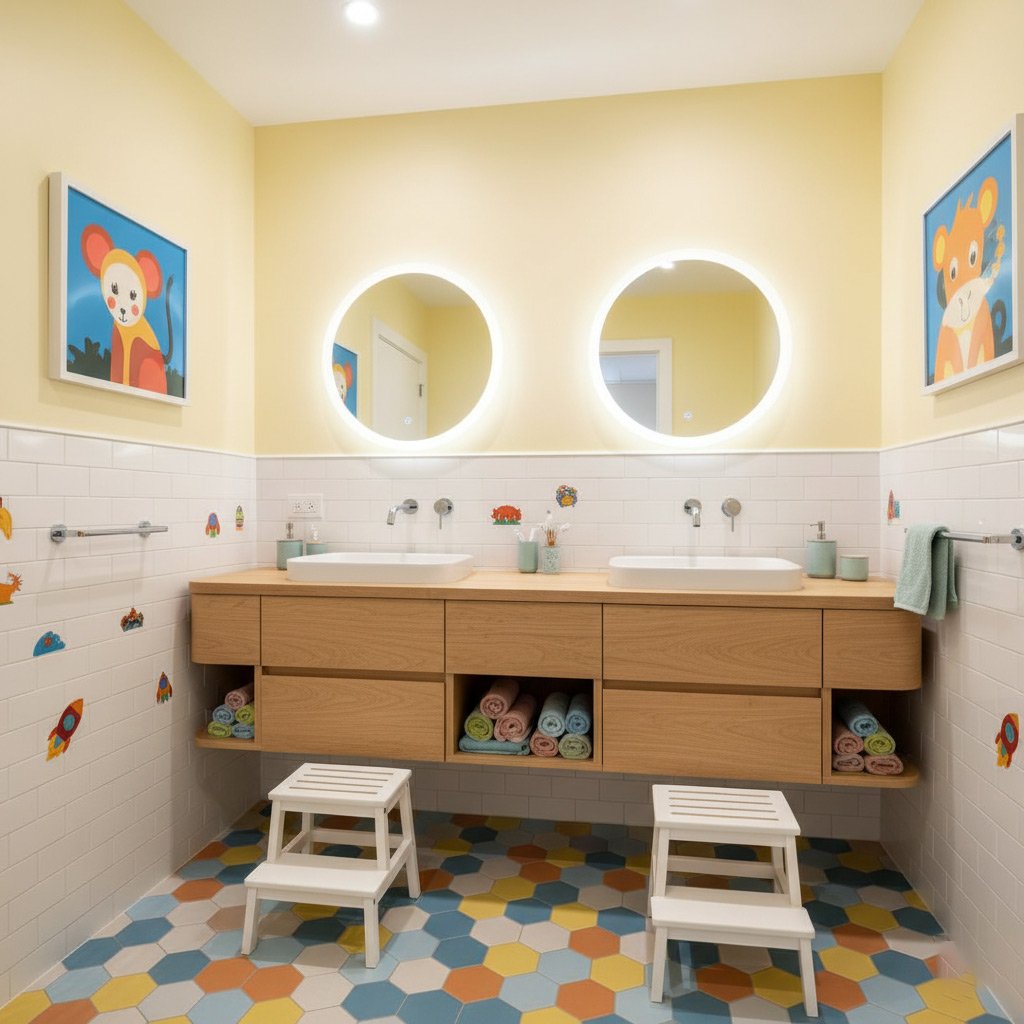
Picture this: you pull the shower curtain aside and are greeted by a clean, glass‑enclosed space that feels like a mini‑spa every morning. No more stepping over a cold tub lip or wrestling with a slippery surface—just a straight‑forward, water‑tight zone that lets you get in and out with ease.
Flagstaff homeowners are swapping their aging tubs for showers because the high desert climate makes a quick rinse a blessing, and the extra square footage frees up room for storage or a stylish vanity. It’s a practical upgrade that doesn’t scream “renovation,” but it sure does whisper “smart investment.”
Beyond the obvious space gain, a tub‑to‑shower conversion boosts resale value, cuts down on water bills, and eliminates the tripping hazard that older tubs often present. Plus, the modern look instantly lifts the entire bathroom’s vibe, making it feel larger and more inviting.
Ready to see how a simple swap can revamp your bathroom and simplify your routine? Keep reading to discover the exact steps Flagstaff families are taking to make the change painless and profitable.
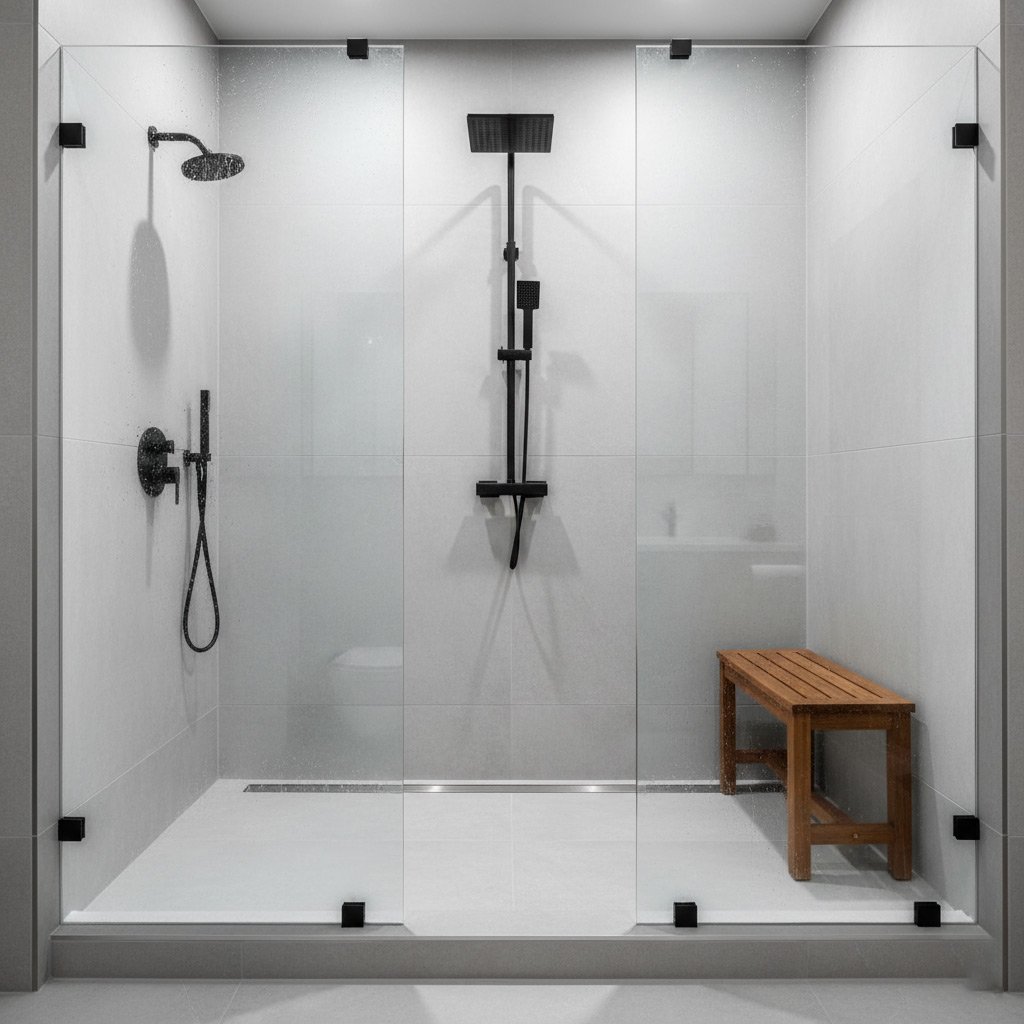
Understanding the Benefits of Tub‑to‑Shower Conversions in Flagstaff
Living in the high desert means mornings start with a chill, and a quick rinse under a sleek shower feels like a secret weapon. Swapping a bulky tub for a glass‑enclosed shower cuts the time you spend wrestling with water, and it instantly opens up floor space for a vanity, linen closet, or even a cozy bench. Less clutter, more breathing room.
Why Flagstaff Homeowners Love the Switch
- Water savings – Showers use up to 30% less water than a full‑size tub.
- Improved safety – No more climbing over a high tub lip; the low threshold reduces slip‑and‑fall risk.
- Modern curb appeal – A glass enclosure adds a contemporary vibe that buyers notice on the first walkthrough.
Beyond the practical perks, a conversion can boost your home’s resale value by 5‑7%. Real estate agents in Flagstaff often tell sellers that a clean, updated shower is a “must‑see” feature. It’s not just a cosmetic upgrade; it’s a financial one that pays off when you decide to move.
Assessing Your Bathroom: Space, Plumbing, and Structural Considerations
Measure Twice, Cut Once
Start by pulling out a tape measure and sketching the floor plan on a napkin. Know the exact footprint of your current tub and the clear‑out space you’ll need for a shower pan.
- Width of the existing tub (usually 60‑32 inches)
- Depth from wall to wall (including any built‑in shelves)
- Headroom above the shower head (at least 78 inches)
These numbers tell you whether you can keep the same footprint or need to expand into adjacent space.
Plumbing Realities
The drain location is the deal‑breaker. If the tub’s drain sits on a concrete slab, you’ll likely keep it where it is; moving it means cutting into the slab and rerouting pipe.
- Check the distance from the main stack to the tub’s waste line.
- Identify the hot‑water line—does it run behind the wall or under the floor?
- Confirm local code requires a minimum 2‑inch slope for the new shower pan.
When in doubt, call a licensed plumber to verify that the existing lines can handle a shower‑only flow without a costly overhaul.
Structural Check‑Up
Don’t assume the floor can take a new shower pan without a second look. The pan adds weight, and the old tub may have been supported by a wall that you now want to remove.
- Inspect joist spacing—16 inches on center is typical, but older homes can be quirky.
- Look for signs of water damage or rot around the tub base.
- Plan for reinforcement if you’re opening a wall or extending the shower footprint.
Addressing these issues now saves you from a surprise “stop‑work” order later in the project.
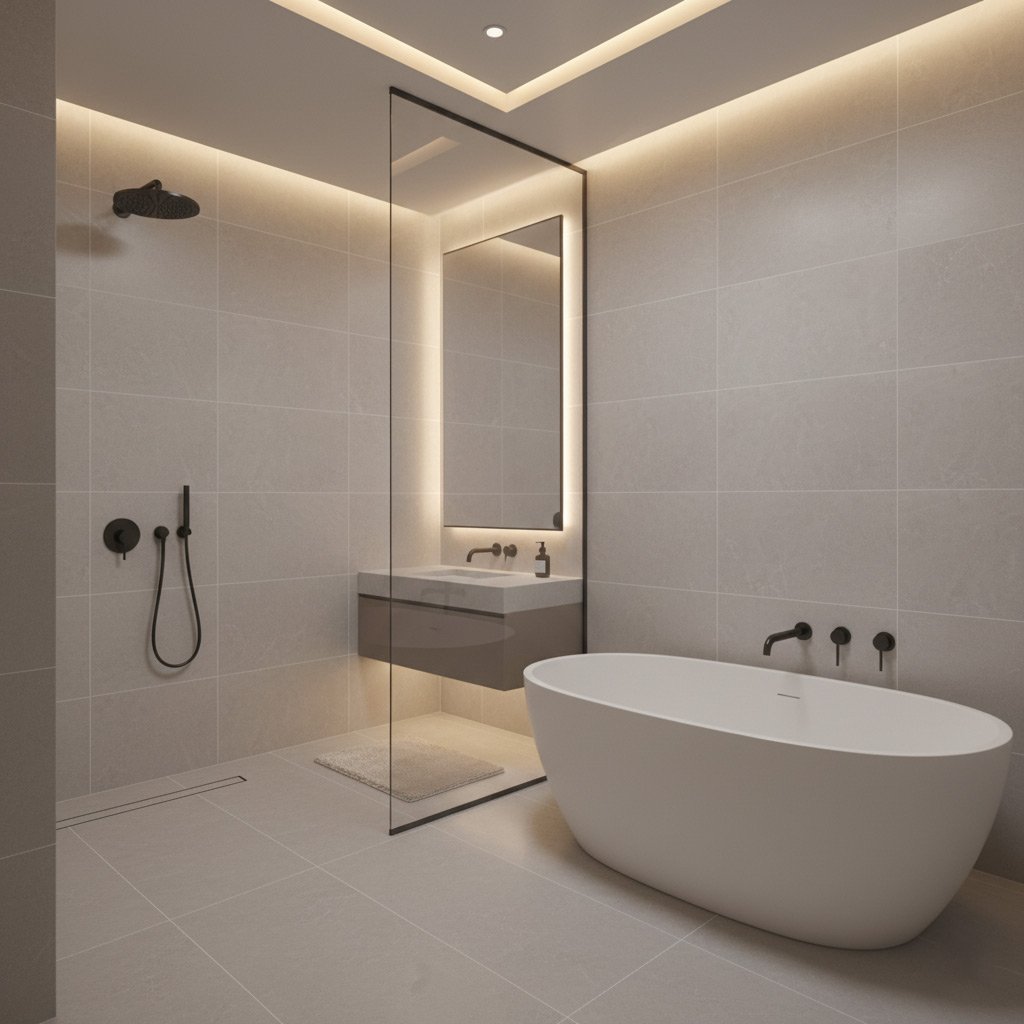
Choosing the Right Shower Design: Glass Enclosures, Tiles, and Fixtures
Glass Enclosures
Clear, frameless glass gives your bathroom an instant sense of openness—perfect for Flagstaff’s compact floor plans. If privacy is a concern, consider frosted panels or a subtle textured finish that still lets light flow.
Installation options vary:
- Sliding doors save space in tight corners.
- Pivot doors offer a classic look with a single swing.
- Half‑walls combine safety with a modern aesthetic.
Tile Choices
Tile is where personality shines. Porcelain tiles resist the desert’s temperature swings, while natural stone adds a warm, rustic vibe that matches Flagstaff’s historic homes.
Mix and match wisely:
- Large-format tiles reduce grout lines, making the space feel larger.
- Accent mosaics create a focal point without overwhelming the eye.
- Slip‑resistant finishes keep the floor safe for kids and seniors.
Fixtures & Finishes
Choosing the right showerhead and controls can turn a routine rinse into a daily treat. Rain‑style heads deliver a gentle cascade, while handheld units add flexibility for cleaning the tub conversion area.
Finish trends in Flagstaff lean toward matte black, brushed nickel, and oil‑rubbed bronze—each adds a touch of durability and style without shouting for attention.
The Conversion Process: Step‑by‑Step Timeline and What to Expect
First thing’s first: you’ll meet the crew, sign a short contract, and lock in a start date. Expect a quick kickoff meeting where the plumber checks the existing drain, the carpenter marks the new shower footprint, and the designer confirms glass specs. It’s a 48‑hour window from paperwork to demolition, so clear communication is king.
Week‑by‑Week Breakdown
Week 1: demolition and rough‑in plumbing. The old tub is hauled away, the floor is prepped, and new supply lines are installed. No surprises here—the crew will tape off the work zone and protect your floors.
Week 2: framing, waterproofing, and tile set‑up. The shower pan is built, a waterproof membrane is rolled out, and the first row of tiles goes down. This is the stage where you’ll see the bathroom start to look like a spa.
Week 3: glass enclosure, fixtures, and finishing touches. The custom glass door arrives, the showerhead and controls are hooked up, and caulking is applied for a watertight seal. A final walk‑through confirms everything is level, sealed, and ready for daily use.
- Day 1‑2: Demolition and waste removal.
- Day 3‑5: Rough plumbing and electrical adjustments.
- Day 6‑9: Framing, shower pan installation, waterproofing.
- Day 10‑12: Tile layout, cutting, and grouting.
- Day 13‑14: Glass enclosure delivery and installation.
- Day 15: Fixture hookup, final seal, and clean‑up.
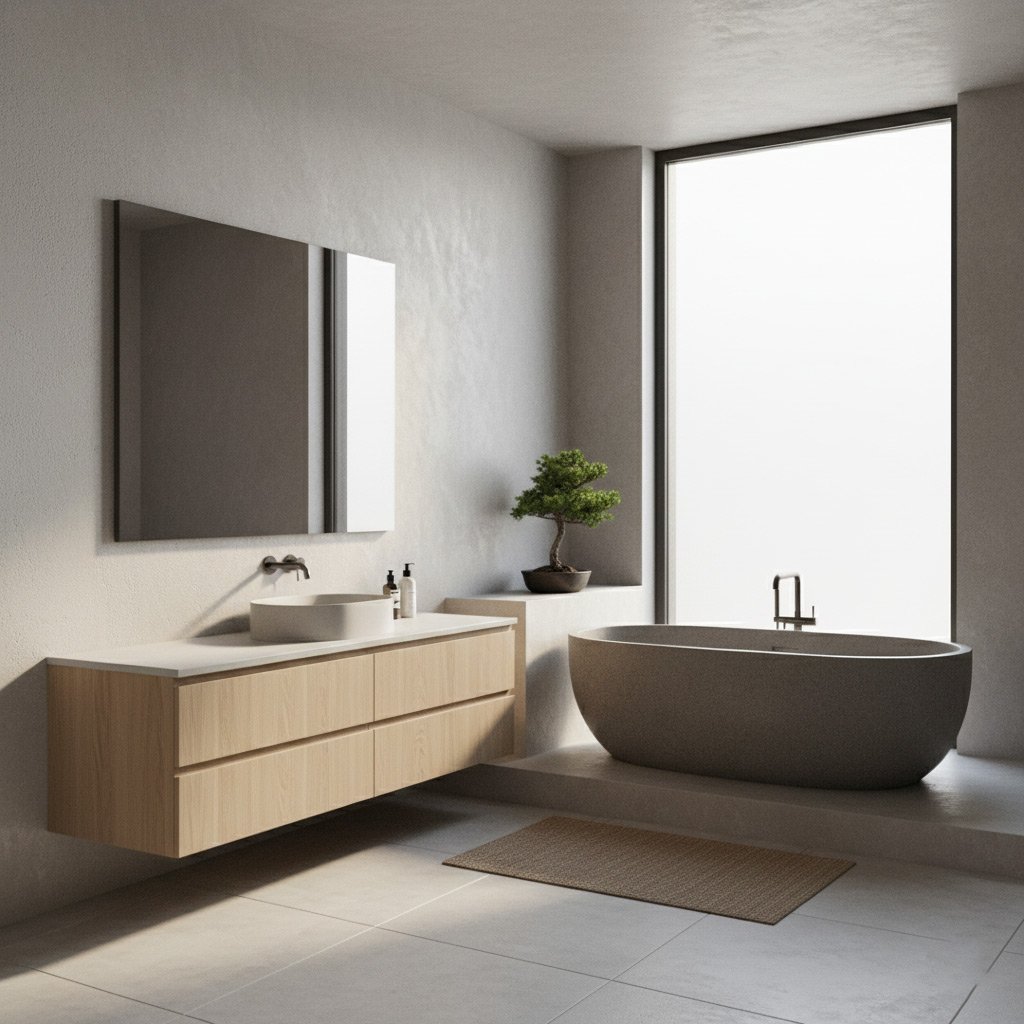
Budgeting and Financing: Cost Breakdown, Savings, and ROI
Typical Cost Breakdown
Most Flagstaff conversions land between $7,000 and $12,000. The price hinges on materials, labor, and any structural tweaks.
- Demolition & removal: $500‑$1,200
- Shower base & waterproofing: $1,200‑$2,500
- Glass enclosure: $800‑$2,000
- Tile work & grout: $1,500‑$3,000
- Plumbing adjustments: $600‑$1,500
- Labor: 30‑45% of total
Savings You’ll See
Beyond the upfront cost, a shower slashes water use by up to 40 %.
- Lower utility bills – expect $30‑$50 monthly savings.
- Reduced cleaning time – no tub scrubbing.
- Higher resale value – homes with modern showers fetch 5‑7 % more.
Financing & Return on Investment
Many local lenders offer low‑interest home‑improvement loans.
- Zero‑down options for qualified borrowers.
- 12‑month payment plans from reputable contractors.
- ROI typically recoups within 3‑5 years thanks to utility savings and resale boost.
Case Study: Transforming a Historic Flagstaff Home’s Bathroom
The Starting Point
When the Miller family bought their 1924 Craftsman bungalow, the bathroom still housed a claw‑foot tub that had seen better days. Leaky caulking and a rusted overflow made every morning feel like a chore. The goal was simple: keep the home’s historic charm while gaining a functional, modern shower.
Design Decisions
We began by mapping the existing plumbing and structural layout. Because the original tub sat on a concrete slab, we could drop the floor just an inch and install a linear drain without major excavation. The design team chose a frameless glass enclosure to preserve sight lines and let natural light bounce off the reclaimed pine walls.
- Custom tile mosaic echoing the home’s original wood grain
- Rain‑shower head paired with a handheld sprayer for flexibility
- Low‑flow fixtures to keep water bills in check
Outcome
After a four‑week conversion, the Miller’s bathroom felt like a boutique spa—no tub lip, no slip hazard, and an extra foot of floor space for a sleek vanity. Resale value jumped by roughly 7%, and the family reported a 30% drop in water usage. Their biggest win? A morning routine that now takes under five minutes, leaving more time for the great outdoors.
Final Thoughts
When you look at a tub‑to‑shower conversion, think of it as a small, high‑impact upgrade rather than a massive overhaul. The desert mornings in Flagstaff reward quick, efficient rinses, and a sleek glass enclosure delivers that feeling every single day.
What to Keep in Mind
- Choose fixtures that can handle the hard water typical of the high desert.
- Plan for a slip‑resistant floor—safety wins over style every time.
- Factor in a modest budget cushion for unexpected plumbing tweaks.
Even if you’re not planning to sell soon, the added square footage and modern vibe pay off in everyday comfort. A well‑executed conversion can become the centerpiece of your bathroom, inviting you to linger a little longer under the spray.
Ready to explore options? Dive deeper into the possibilities on our Tub to Shower Conversion page and see how a focused remodel can transform your space without breaking the bank.
People Also Ask
What are the main advantages of converting a tub to a shower for Flagstaff homeowners?
Shower conversions free up valuable floor space, making smaller bathrooms feel larger and more functional. They also provide quicker, more accessible bathing options, which is especially beneficial for families and aging residents.
How does a tub‑to‑shower conversion impact water usage and utility costs?
Showers typically use less water per session than a full tub, leading to lower water bills. Modern low‑flow showerheads can further reduce consumption while maintaining a comfortable experience.
Can historic Flagstaff homes accommodate a tub‑to‑shower conversion without compromising original plumbing?
Yes, many older homes can be upgraded; a professional remodeler will assess existing pipe layouts and may reroute or replace sections to meet current codes. Preserving the home’s character is possible while integrating modern shower fixtures.
How long does a typical tub‑to‑shower conversion take from start to finish?
Most conversions are completed in 1‑2 weeks, depending on the complexity of demolition, plumbing adjustments, and tile work. A clear timeline is provided during the planning phase to minimize disruption.
What is the average cost of a tub‑to‑shower conversion in Flagstaff, and does it increase home resale value?
Costs generally range from $7,000 to $12,000, influenced by design choices and structural needs. Homeowners often see a strong return on investment, as updated bathrooms are a top priority for buyers in the Flagstaff market.

Flagstaff Bathroom Remodel brings over a decade of specialized bathroom renovation expertise to homeowners throughout Flagstaff, Arizona. Their team combines local knowledge with meticulous craftsmanship to deliver functional and stylish spaces that reflect the region’s unique character. Committed to personalized service, they guide clients from design through installation, ensuring each project meets the community’s standards for quality and durability.
Need Bathroom Remodel?
We provide fast, reliable HVAC installation and repair for residential and commercial customers in Flagstaff (86001, 86004, 86005) and neighboring ZIP codes. Our technicians work efficiently to keep your system running smoothly.
Get Bathroom Quote